Active Directory Audit

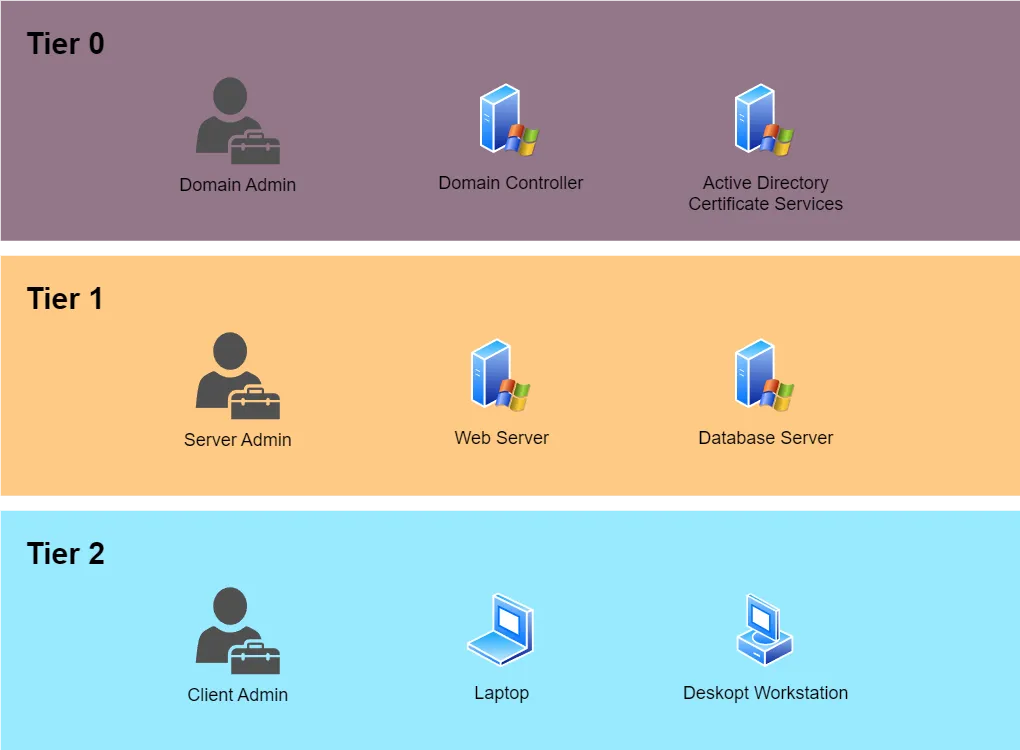
Ransomware attacks are on the rise, and the ones with the highest impact take over the whole Active Directory. We must secure these systems to minimize the risk of having our data encrypted and put up for sale on the internet!

Ransomware attacks are on the rise, and the ones with the highest impact take over the whole Active Directory. We must secure these systems to minimize the risk of having our data encrypted and put up for sale on the internet!

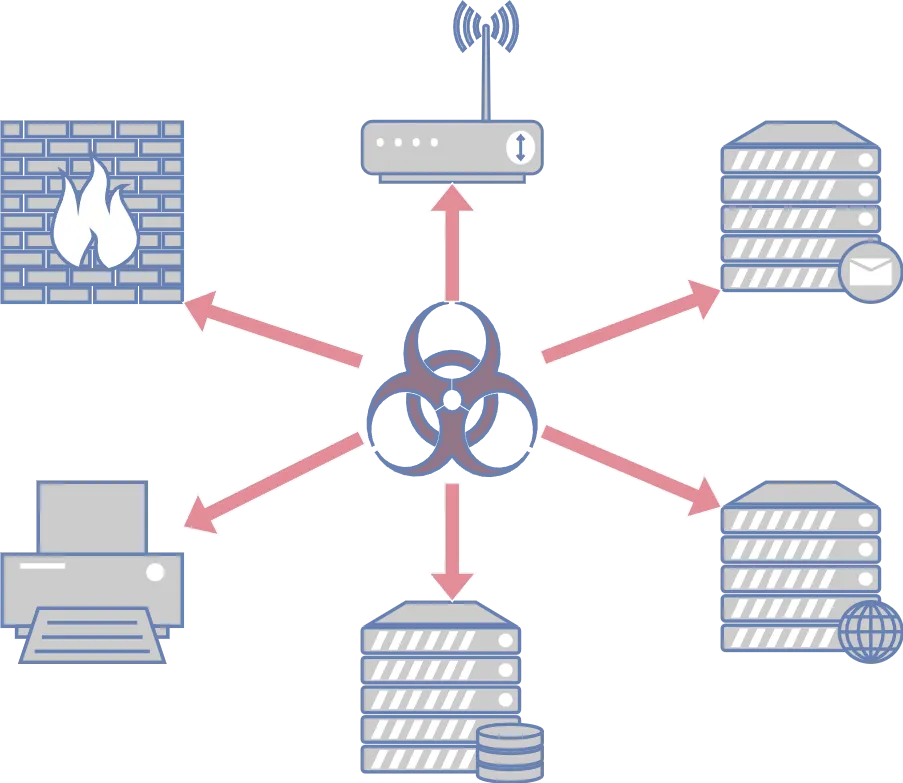
What if one of your employees clicks on the wrong email attachment? Will you be able to stop the attack, or will the attackers be able to move laterally from there and take over all your systems? This is why you should conduct an internal infrastructure penetration test. The internal system is just one wrong click away from being “public”.

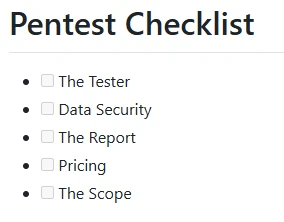
You’ve decided you need a penetration test. Good call. But before you sign a proposal, there’s a lot that can go wrong: wrong scope, wrong methodology, wrong expectations. The result is a report that collects dust and a budget that got wasted.
This guide is written for the people buying pentests, not the people running them. It covers what a pentest actually is, when to do one, what to expect, and how to avoid the most common and expensive mistakes.

Cloud services offer enormous flexibility — but that flexibility comes with risk. Misconfigured storage buckets, overly permissive IAM roles, and exposed management interfaces are among the most common causes of cloud security incidents. A Cloud Infrastructure Audit reviews your cloud environment with a read-only account to identify exactly these issues before attackers do.
Supported platforms: Azure, AWS, and GCP.

EntraID (Microsoft Entra ID) is Microsoft’s central identity and access management (IAM) solution—especially in Microsoft 365 environments—and forms the basis for single sign-on (SSO) and access control. A misconfiguration can lead to unauthorized access to company resources or facilitate social engineering attacks. Therefore, this component must be thoroughly tested.

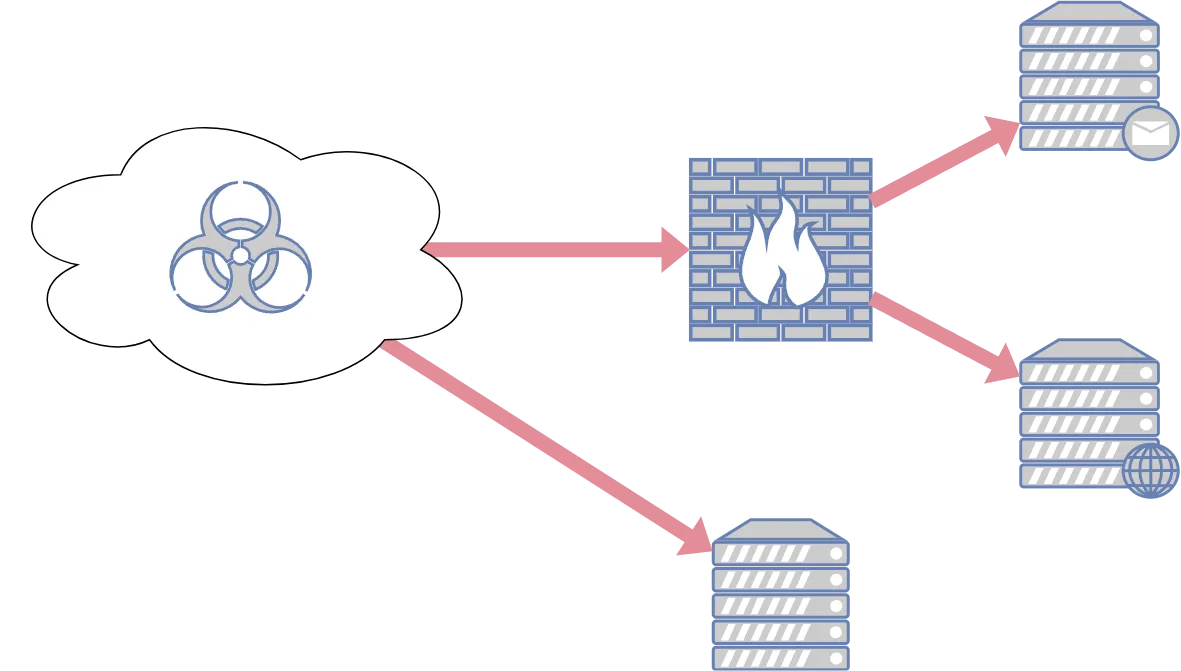
If your system is exposed to the internet, it could potentially be hacked by anyone. Okay, I exaggerate a bit, but I think you understand. Vulnerabilities in your external infrastructure can lead to very bad press and threaten your customers’ personal information. So, it’s better to check once more.

Vulnerabilities in web applications can be very problematic. In the worst case, the entire web server is taken over or confidential customer data is stolen. Therefore, it is especially important to thoroughly test these applications.